


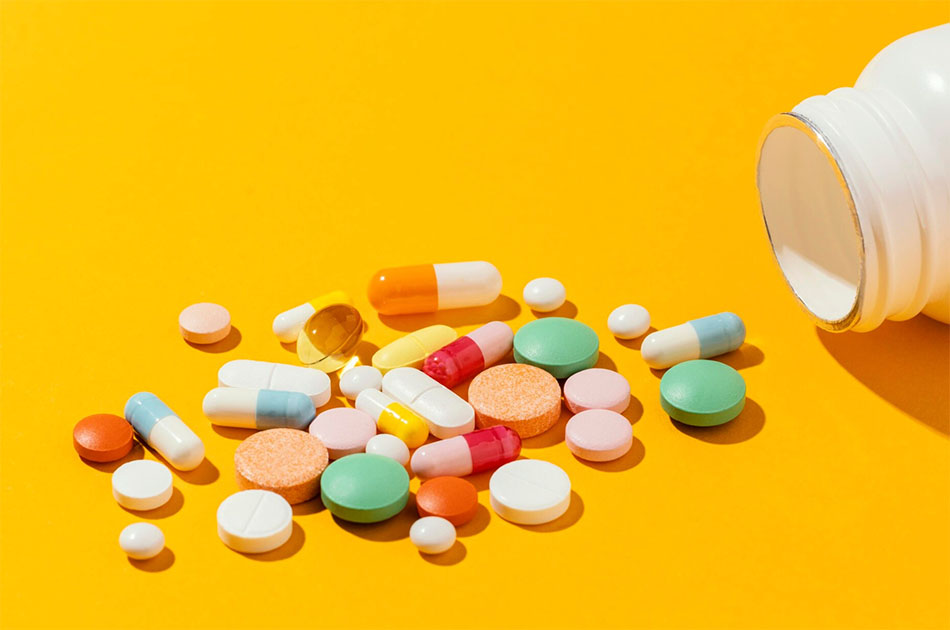
You take a pill. You read the label. It literally says “placebo.” No active ingredient. No secret trick. And yet… you feel better.
Sound like magic? It’s something stranger (and more honest): your brain itself at the controls—and sometimes it can respond to a ritual as if it were a real treatment.
The great paradox: “If I know it, it can’t work, right?”
For years, it was thought that a placebo only works if you’re “deceived.” But in recent years, evidence has mounted that open-label placebos (placebos you consciously and honestly receive) can actually have an effect on certain conditions.
And that’s precisely what makes this topic so viral: it defies common sense.
The moment researchers themselves were surprised
One of the most well-known breakthrough studies tested open-label placebos in people with irritable bowel syndrome (IBS). The participants knew they were taking placebos. Yet, on average, they reported greater symptom improvement than a comparison group that didn’t receive a placebo.
This isn’t a “cure out of the blue,” but it is strong evidence that knowledge doesn’t always eliminate the placebo effect.
The placebo ritual: Your brain responds to meaning, not just chemistry
Taking a pill isn’t just swallowing. It’s a mini-ceremony: packaging, explanation, care, timing, anticipation. And precisely that can trigger a biological response.
Researchers don’t view placebo effects as “imagined” symptoms, but as measurable changes that can emanate through the nervous system—especially for things like pain, nausea, stress-like symptoms, and other symptoms that are strongly influenced by how the brain interprets signals.
Pain is one of the most notorious ‘placebo-sensitive’ systems
Open-label placebos have also been tested for chronic lower back pain, in addition to usual treatment. In such a trial, the group receiving open-label placebos saw a greater reduction in pain than with “treatment as usual” alone.
Even more striking: there is even more recent clinical research investigating an open-label placebo injection (with, for example, saline solution and complete honesty) for chronic back pain, with improvements in pain and related symptoms compared to usual care.
Important: this doesn’t mean that “placebo solves everything.” It does mean that the body sometimes reacts to the idea and ritual of treatment.
The downside: when you shouldn’t count on it
To keep it clean (no fake news):
- Open-label placebos don’t always work, and effects vary by symptom and individual.
- The evidence is strongest for symptom outcomes (such as pain or discomfort) and less so for hard disease outcomes.
- Many studies are relatively short and not always large; researchers continue to actively expand this field.
- A placebo is not a substitute for necessary medical treatment.
The most responsible conclusion today: open-label placebos appear to offer measurable benefit for some conditions/symptoms, but they are not a panacea and must be carefully and ethically assessed.
The real mind blow
A placebo effect isn’t about “being stupid” or “falling for it.”
It’s a signal that your brain and body together form a system that responds to context, meaning, and expectation—even when you know the trick.
And that’s perhaps the most surprising thing of all: honesty doesn’t have to destroy the effect.


